Shopify’s Winter ’26 Edition comes with a bold name – RenAIssance – and more than 150 updates across the platform.
But beneath the branding, this release signals something more important:
Shopify is quietly reshaping how eCommerce teams operate, not just how stores look.
AI is moving into day-to-day workflows.
Experimentation is becoming native.
And Shopify Plus is closing gaps that used to require custom builds or third-party tools.
At Axceleris, we work with mid-market B2B and B2C brands on Shopify and Shopify Plus – including classic setups and Hydrogen/Oxygen headless builds. Below is our take on what really matters in Winter ’26, and where the biggest opportunities (and risks) are heading into 2026.
1. Sidekick grows up – from demo to operational tool
Sidekick is no longer positioned as a “cool AI assistant.”
With Winter ’26, it starts behaving like a real copilot inside Shopify admin.
What changed:
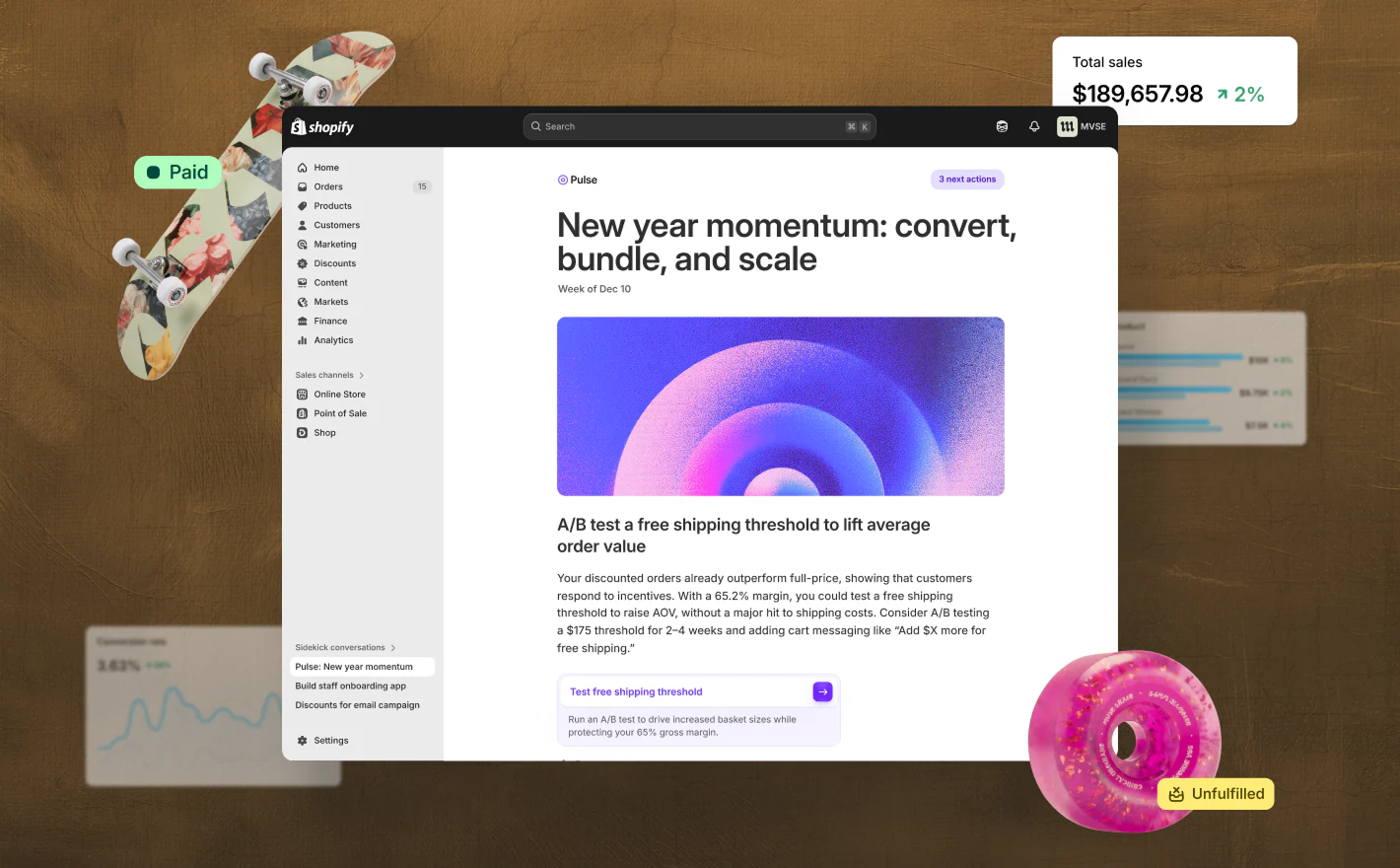
- Sidekick Pulse
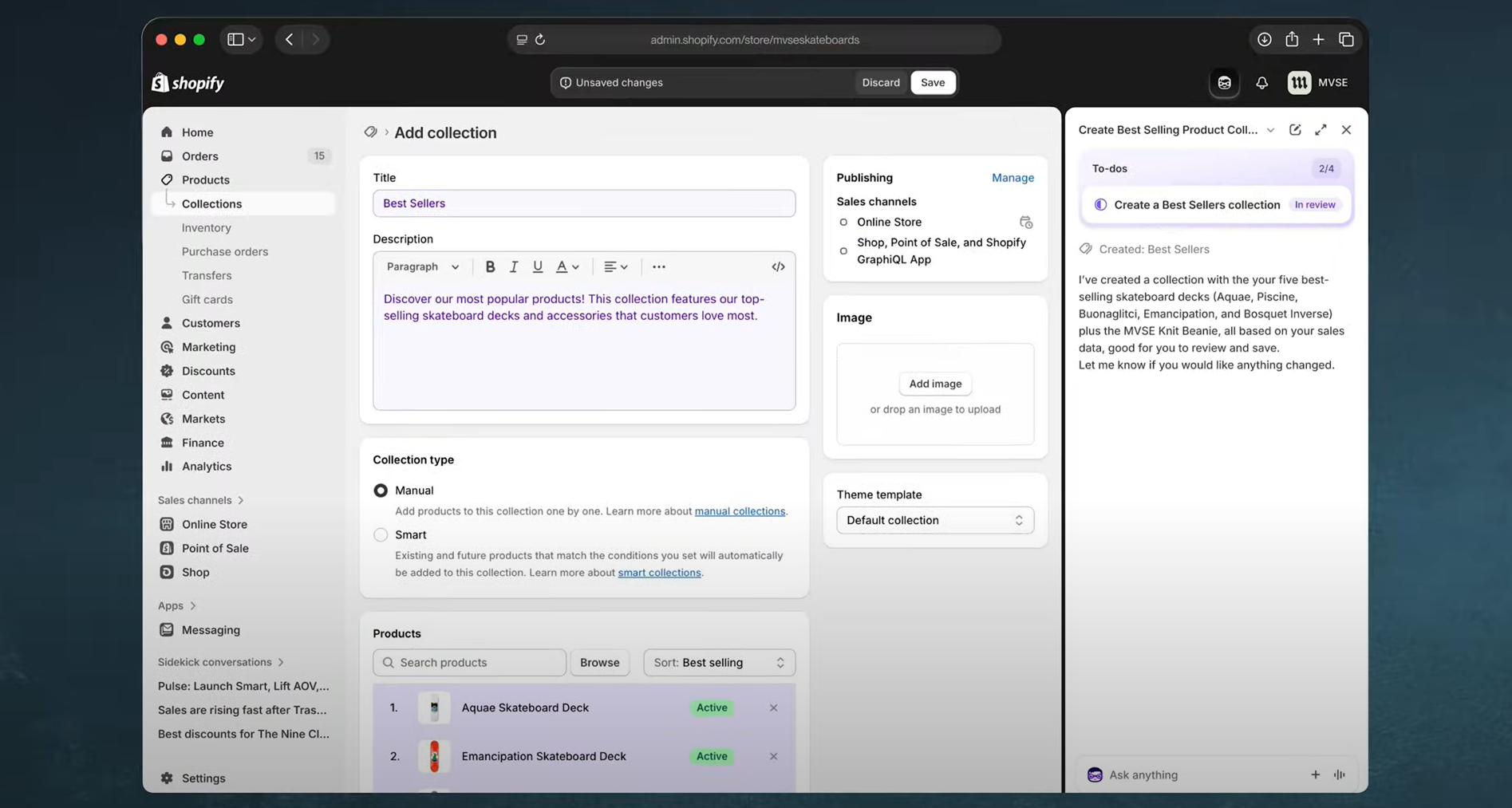
Instead of waiting for prompts, Sidekick can now proactively surface insights: anomalies, growth opportunities, and suggested actions based on your store data.
- Custom admin apps via prompts
You can ask Sidekick to generate simple, single-page admin apps — for example, internal dashboards, merchandising helpers, or operational tools tailored to your workflows.
- Visual editing across themes and emails
Click an element and describe the change in plain language. This applies to the theme editor and email editor, not just isolated UI areas.
- Flow automation from natural language
Sidekick can now create and visualize Shopify Flow automations based on instructions like “tag customers with AOV over $200” or “flag B2B orders with overdue payment terms.”
What this means in practice
For mid-market teams, this shifts where time is spent:
- Fewer internal tickets for small changes
- Less dependency on developers for basic admin tools
- Faster experimentation and iteration for marketing teams
At Axceleris, we don’t see Sidekick as a replacement for developers.
We see it as a leverage multiplier, but only if your data, structure, and guardrails are set up properly. Without that foundation, AI suggestions stay shallow or misleading.

2. Agentic Storefronts: products inside AI conversations
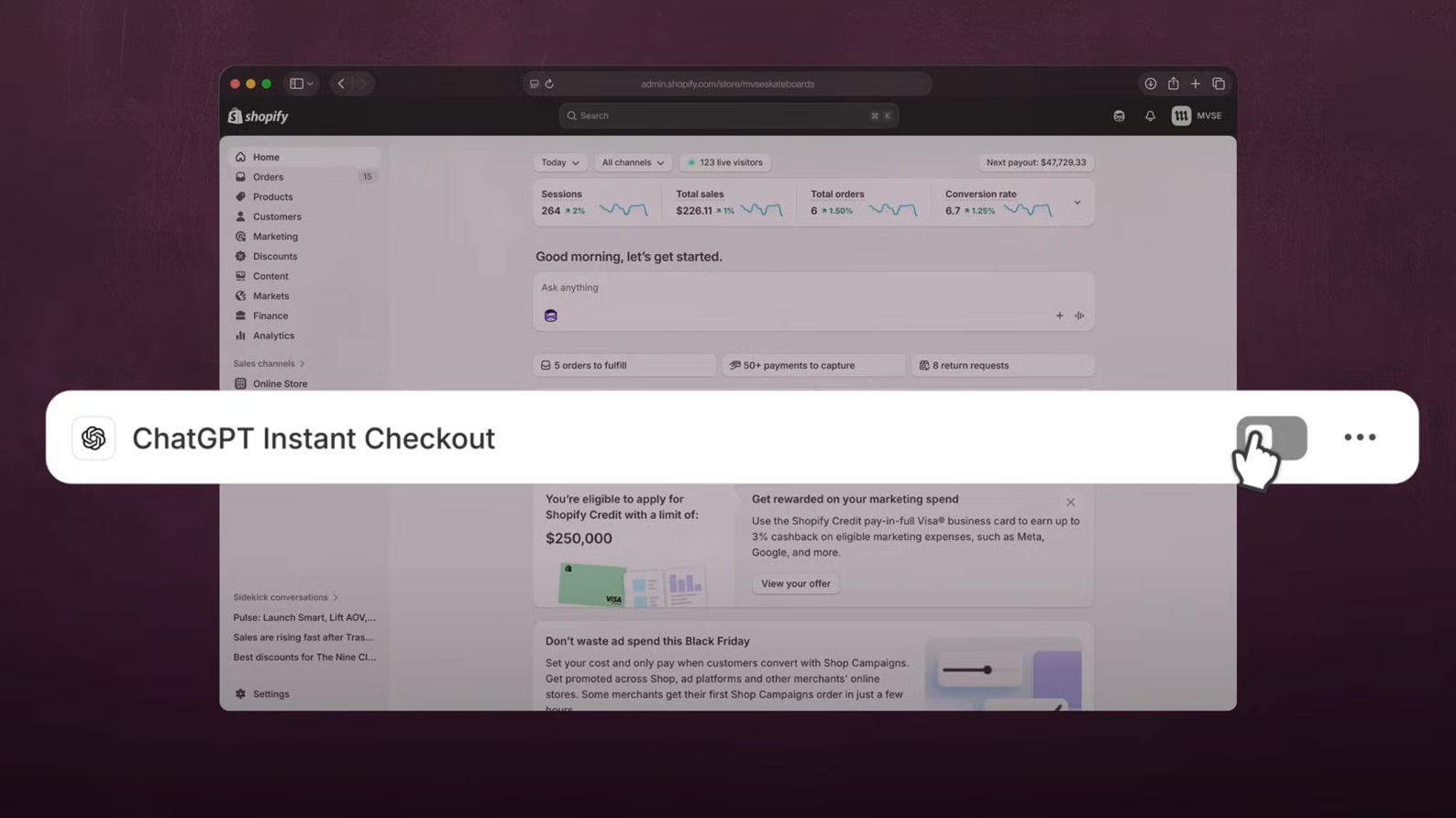
One of the most strategic changes in Winter ’26 is the introduction of Agentic Storefronts.
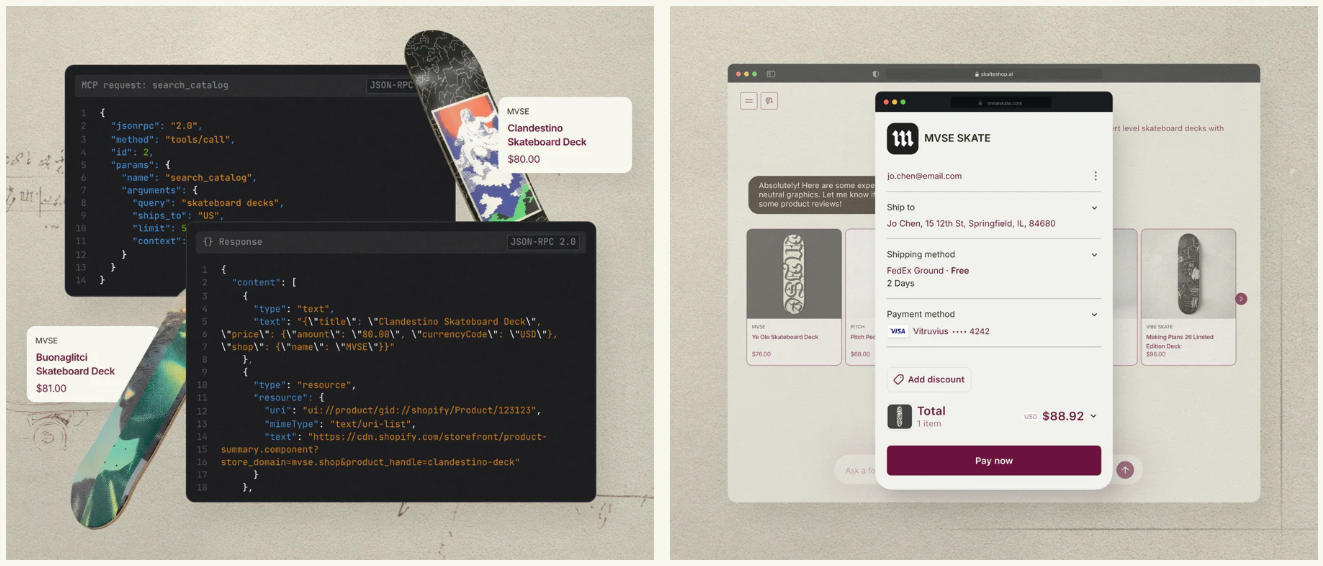
In simple terms: Shopify now lets your product catalog appear inside AI shopping experiences (ChatGPT, Microsoft Copilot, Perplexity, and others) through a single Shopify setup – instead of separate integrations per platform.
Customers can discover and buy products inside conversations, while merchants still control:
- which products are eligible
- how the brand is presented
- how checkout, tracking, and attribution flow back to Shopify
Why this matters for 2026
AI-driven discovery is becoming a real acquisition surface.
Brands with clean product taxonomy, strong metafields and metaobjects, structured, descriptive product content will be visible.
Brands with messy data models won’t.
At Axceleris, we’re already framing this clearly for clients:
If your catalog data is messy, you’ll be invisible in AI commerce.
For most mid-market brands, the first step isn’t a new integration.
It’s a data, taxonomy, and content audit to prepare for Agentic Storefronts and Shopify Catalog APIs. You can get in touch with us for a free audit.
3. CRO becomes native: Rollouts and SimGym
Shopify is also making experimentation part of the core platform – quietly, but meaningfully.
Two updates stand out:
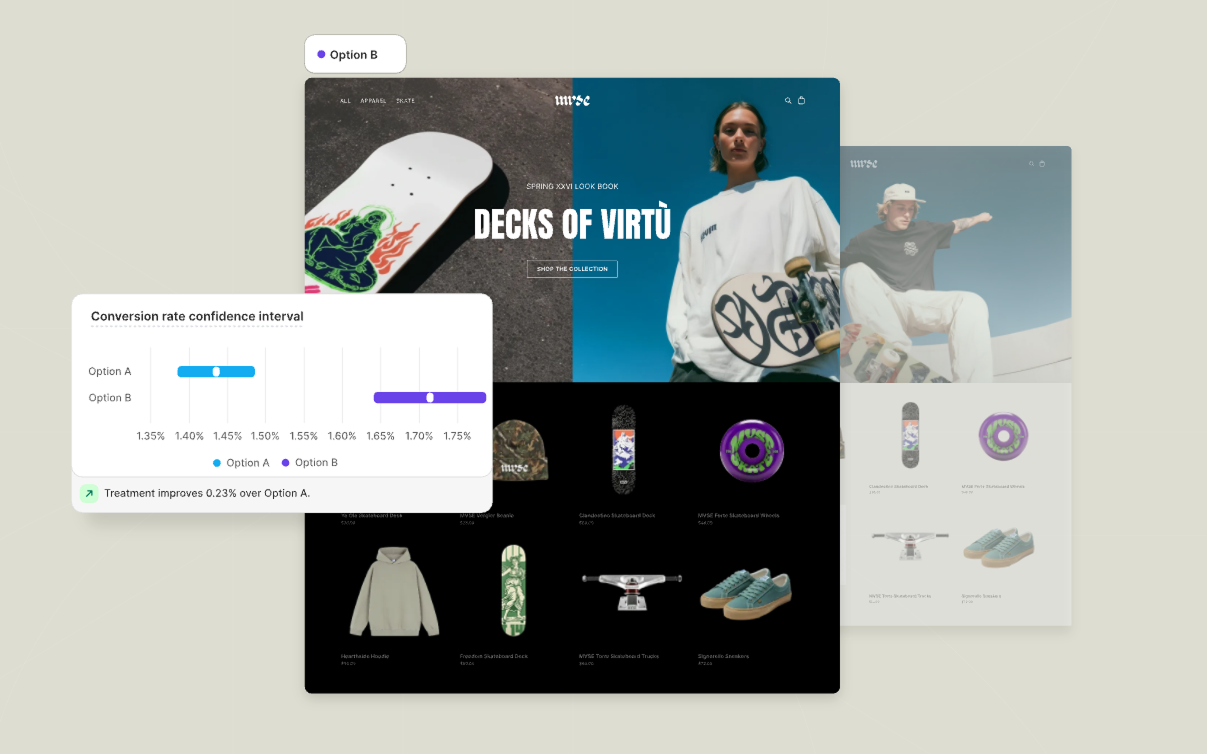
- Rollouts
Native A/B testing and controlled theme deployment inside Shopify admin. You can schedule launches, test changes, and decide winners using real conversion data, without external CRO tools for basic experiments.
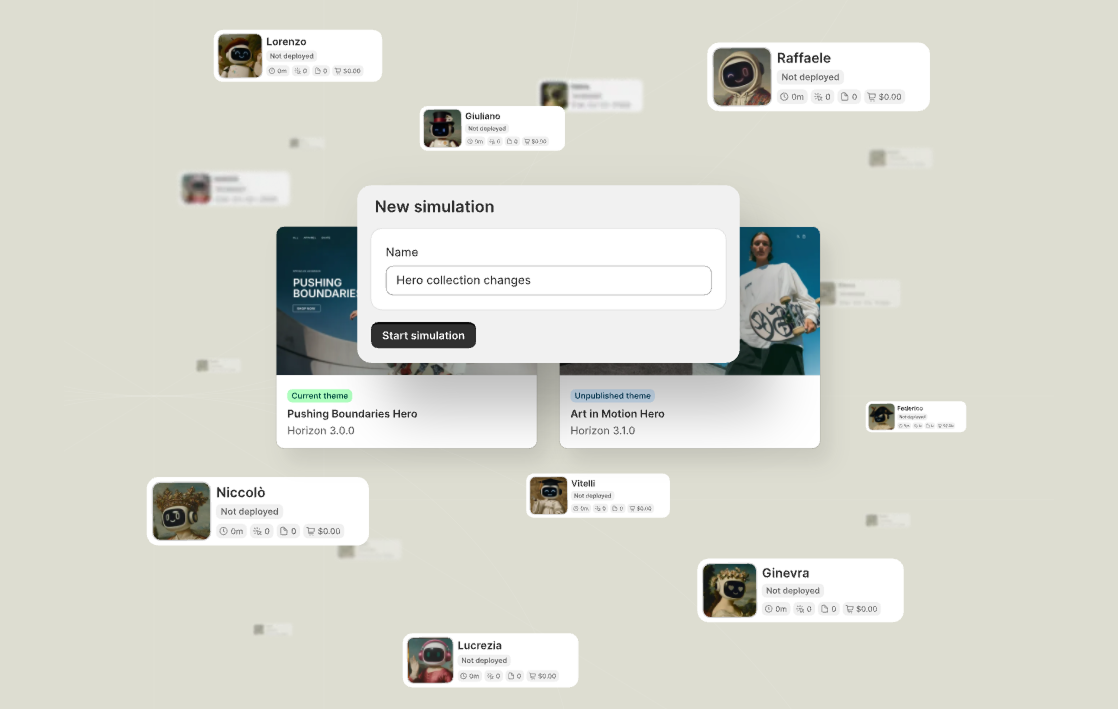
- SimGym
An AI “flight simulator” that predicts how changes may impact performance before they go live, using synthetic shoppers trained on large transaction datasets.
Why this is a big deal for mid-market brands
- Enterprise-level experimentation becomes accessible
- Risky changes (navigation, PDP layouts, pricing displays) are easier to test
- Decision cycles become shorter: idea → test → learn
For Axceleris, this fundamentally upgrades how we run CRO programs:
- Rollouts replaces fragile testing setups for many use cases
- SimGym becomes an additional signal when prioritizing experiments, especially on lower-traffic stores
Core storefront improvements that quietly matter a lot
Not everything in Winter ’26 is flashy, but some of the most impactful changes live in the fundamentals.
More flexible catalogs and merchandising
- Up to 2048 variants per product
Huge for complex catalogs (size × color × material × region).
- Unlisted product status
Products hidden from search and collections, but accessible via direct URL – ideal for private offers, B2B, or influencer campaigns.
- Smarter collections
Native duplication and exclusion logic simplify merchandising workflows.
Themes, discovery, and onboarding
- 250+ improvements to Horizon themes
Better animations, interactivity, and performance without going fully custom.
- AI-generated starter themes
From product intent – even before account creation, now also via mobile.
Customer login and identity
- Faster Shop login and passcode autofill
- Social sign-in and custom identity provider options
Together, these updates give more UX and design headroom while staying within Shopify’s native ecosystem. They are especially important for scalable, maintainable builds.

5. B2B and omnichannel: fewer workarounds, more native support
Shopify continues to invest heavily in “real” commerce, not just DTC.
B2B on Shopify Plus
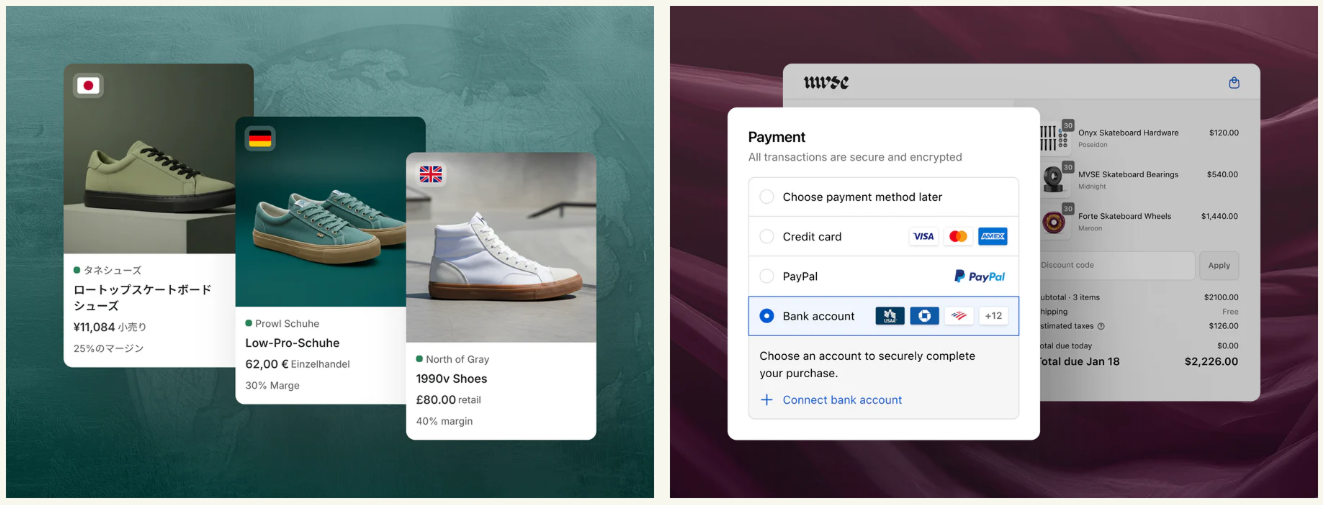
- ACH payments at checkout (US)
- Store credit, deposits, and dynamic payment terms
- B2B-ready Horizon themes with volume pricing and quick order lists
Retail and POS
- POS Hub for wired peripherals with monitoring and updates
- In-store subscription enrollment via Shopify Subscriptions
- Faster inventory checks and market-based pricing for retail locations
For hybrid businesses (B2B + DTC, online + retail), Winter ’26 closes gaps that previously required custom solutions. These changes are relevant for brands consolidating legacy B2B setups.

6. Developers: Scripts → Functions is no longer optional
One update comes with a hard deadline: Shopify Scripts will be fully replaced by Shopify Functions in June 2026
Any store still relying on Scripts needs a migration plan or risks checkout issues.
Other important platform updates:
- Higher limits and faster queries for metafields and metaobjects
- Improved filtering for richer data models
- Stronger support for headless builds and AI-assisted dev workflows
For brands, the takeaway is simple: 2026 is the year to pay down Shopify technical debt.
If you’re considering a Magento → Shopify migration, Winter ’26 strengthens the case, especially when architected around Functions, B2B, and AI-ready data models from day one.
What we’d actually recommend doing in 2026
If you’re a mid-market brand on Shopify or Shopify Plus, here’s a practical roadmap:
- Audit your data for AI and agentic commerce. Clean up product types, options, metafields, and metaobjects.
- Build a structured CRO program. Use Rollouts and SimGym to test navigation, PDPs, pricing, and merchandising with lower risk.
- Modernize your theme or storefront foundation. Horizon-based builds or Hydrogen/Oxygen headless setups that scale with complexity.
- For B2B brands: fix the buyer journey. Move from manual workflows to self-service with native B2B features.
- Plan your Scripts → Functions migration now. Identify all custom logic and re-implement it properly, with testing and observability.

How Axceleris helps
Axceleris works with mid-market B2B and B2C brands that need both strategy and execution:
- Shopify Plus builds (classic and headless)
- Magento → Shopify migrations
- CRO and experimentation programs
- SEO and structured data for organic and AI-driven discovery
- B2B and omnichannel architecture

Recent articles